

Published:
Aeration Offers Benefits, but Timing Depends on Grass Type
Core aeration is often a good move before overseeding, but it's not a one-size-fits-all solution for every lawn or every day. The best approach depends on your specific grass variety, whether your soil is compacted, the time of year, and the reason you're seeding. In South Carolina, the key is to ensure both aeration and overseeding happen during the turf’s active growing season—not just to do them in a certain order.
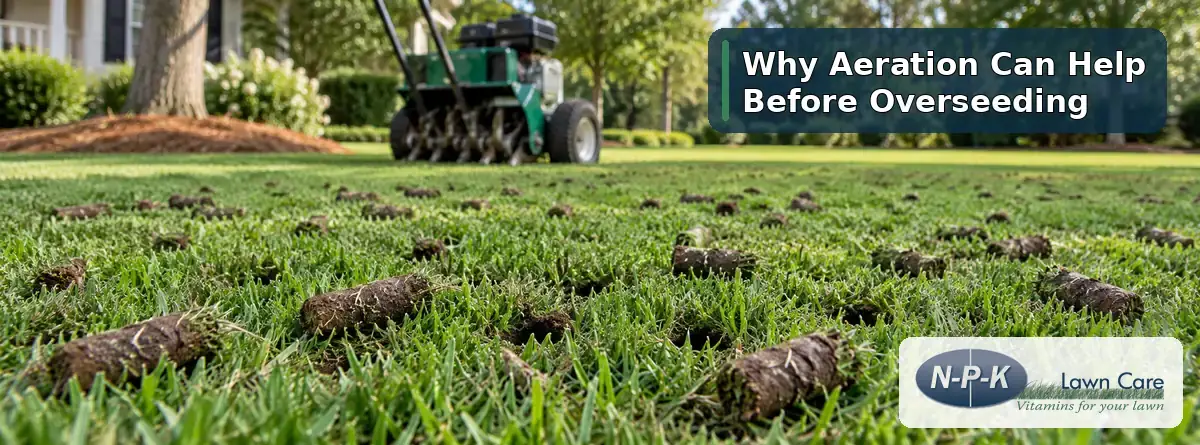
Why Aeration Can Help Before Overseeding
Core aeration works by pulling out small plugs of soil and grass, leaving holes in the surface. If your lawn is compacted and water, roots, or seeds can’t move freely, these holes help improve conditions for new growth. NPK Lawn Care’s core aeration service focuses on what your soil actually needs, not just performing aeration every year by default.
Aerating before overseeding is helpful if your soil is hard, water won’t soak in, or high-traffic spots are thinning out. Lawns with clay soil or those affected by construction may also benefit. But if these issues aren’t present, you might not need to aerate before adding new seed.
When Aeration and Overseeding Should Happen Together
Cool-season grasses are a prime example where aeration and overseeding align well in the same season. Clemson Extension suggests doing both tasks in the fall for grasses like tall fescue, since cooler weather lowers heat stress and leaves enough time for recovery. Overseeding thin or bare spots with tall fescue is also best done when fall temperatures drop.
However, this doesn’t mean you must always aerate and overseed one after the other. The lawn should have time to recover, good soil moisture, and a seeding plan that matches the grass species. For compacted fescue, both steps can be part of the same project. But if the soil isn’t compacted, aeration just for the sake of seeding might be unnecessary and add extra work.
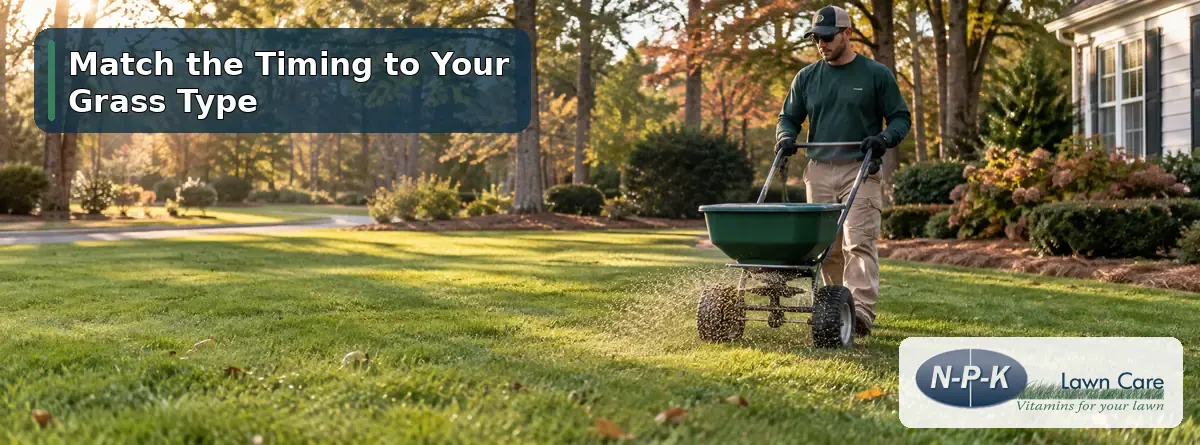
Match the Timing to Your Grass Type
Most lawns in South Carolina have warm-season grasses like bermudagrass, centipedegrass, zoysiagrass, or St. Augustinegrass. These types respond best to aeration in late spring or summer, when they’re actively growing and can heal quickly. This timing contrasts with cool-season lawns, which are usually aerated in the fall.
When overseeding a warm-season lawn in fall, you’re usually adding ryegrass for green color during winter, not fixing the main grass. According to Clemson Extension, if you aerate before sowing ryegrass, it’s best to wait about 30 days so the holes close up. Planting seed right after aerating can leave you with patchy results as seeds collect in the holes.
When Aeration and Overseeding Should Not Be Done Together
Don’t automatically combine aeration and overseeding just because both are popular lawn services. If your warm-season grass is dormant, under stress, or can’t recover, it’s the wrong time to aerate. Also, if the real problem is drainage, irrigation, pests, or something else, aeration won’t fix it—you’ll need to address the actual issue first.
If you’ve recently used weed killers, that can also affect when you should seed. Some herbicides require a waiting period before you can plant new grass. Always check the label and remember your lawn’s history so fresh seed isn’t wasted due to recent chemical applications.
How to Make the Right Choice
First, look at your lawn’s current state. If the soil is compacted and your grass is actively growing, aeration could be valuable. For thickening a cool-season lawn, overseeding might be all you need. But if you want winter color for a warm-season lawn, you may need to separate aeration and seeding by several weeks.
NPK’s guide on overseeding for a thicker lawn has more on why timing and seed-to-soil contact are important. For details on tackling compaction, weed issues, or nutrition, see the lawn care services page.
Need Guidance for Aeration or Overseeding?
If you’re unsure if your lawn needs aeration before overseeding, start by figuring out your grass type, soil condition, recent treatments, and the season. Reach out to NPK Lawn Care with your location and what you notice in your yard so recommendations can be tailored to your situation.
Frequently Asked Questions
Should I aerate before overseeding?
Sometimes. Aeration can help when soil is compacted or seed-to-soil contact needs improvement, but the timing should match the grass type and growing season.
Can I overseed immediately after core aeration?
Not always. Cool-season lawn renovation may allow aeration and overseeding within the same fall period, while warm-season turf being overseeded with ryegrass may need more time between the two steps.
When should South Carolina lawns be aerated?
Cool-season lawns are generally aerated in fall, while warm-season grasses are usually aerated in late spring or summer when they are actively growing.
Does every lawn need aeration before overseeding?
No. Aeration is most useful when compaction, poor water infiltration, or dense soil is part of the problem. A lawn without those issues may not need aeration before seeding.
How long should I wait after aerating before overseeding with ryegrass?
Clemson Extension recommends allowing about 30 days after core aeration before overseeding warm-season turf with ryegrass so the aeration holes have time to close.
Can weed-control treatments affect overseeding?
Yes. Some herbicides have waiting periods or seeding restrictions, so check the product label and recent treatment history before applying new grass seed.
More South Carolina Lawn Care Resources
Use the seasonal lawn care calendar, compare South Carolina grass types or review our professional lawn care services.