
Shrub Treatment Services
Home / Services / Shrub TreatmentsShrub Treatments for Healthier Ornamental Landscapes
NPK shrub treatments are designed around the plant, the symptoms and the conditions surrounding it. Ornamental shrubs can decline because of nutrient problems, insects, disease pressure, poor drainage, drought, pruning damage or an unsuitable planting location.
Before recommending treatment, we consider which plants are affected, how the symptoms are distributed and whether the problem is spreading. That helps separate a treatable pest or nutrition issue from stress that must be corrected through watering, drainage or cultural care.
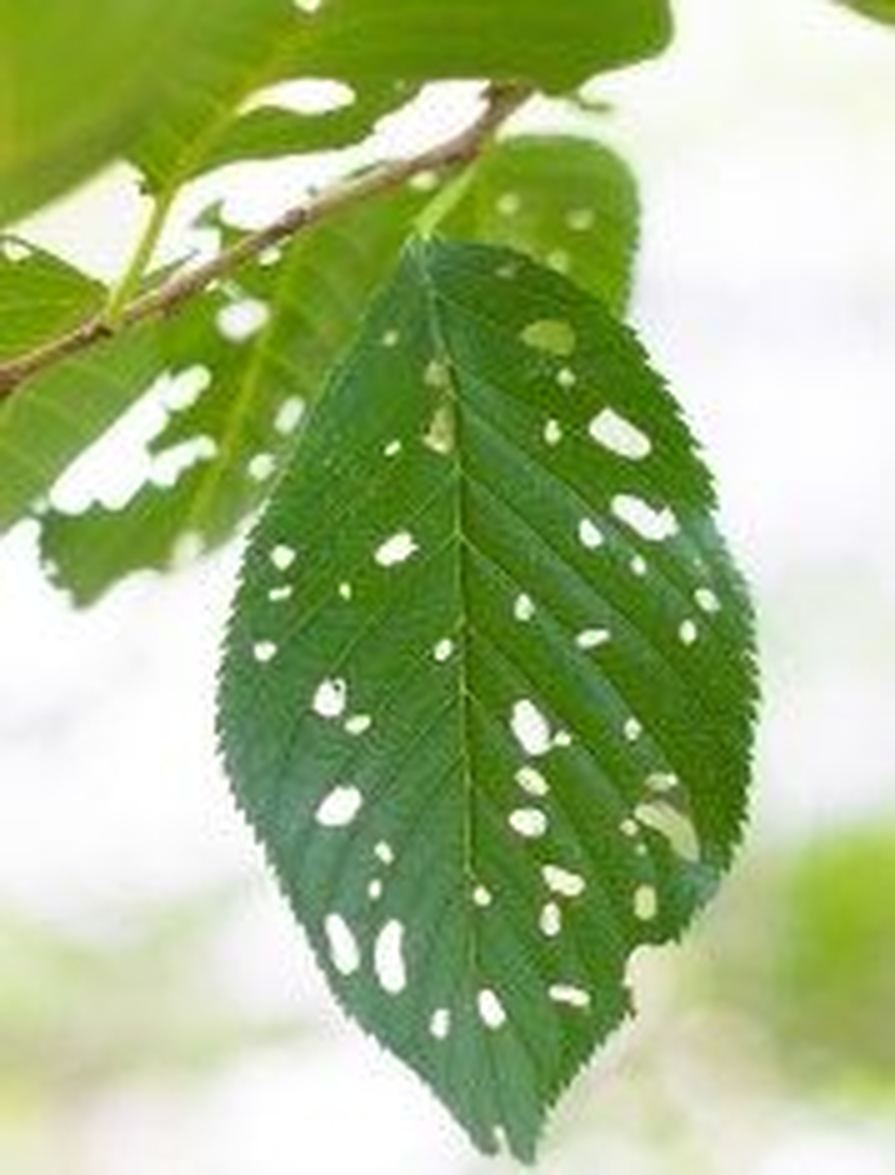
Common Shrub Problems We Evaluate
- Yellowing leaves, pale new growth or poor color.
- Leaf spots, dieback or repeated defoliation.
- Sticky residue, sooty growth or visible insects.
- Scale, mites, aphids and other damaging pests.
- Wilt caused by drought, root stress or drainage problems.
- Weak flowering or slow recovery after weather stress.
What a Shrub Care Program May Include
Depending on the diagnosis, a program may include targeted insect treatment, disease-pressure management, nutritional support or seasonal monitoring. Treatments are selected for the plant and the problem rather than applied simply because a shrub looks different.
Timing matters. Some pests are easier to manage during a specific stage of their life cycle, and some diseases become active during prolonged leaf moisture or humid weather. Early reporting can help prevent a small problem from becoming widespread.
Landscape Conditions Matter
A treatment cannot overcome constantly saturated roots, severe drought or repeated pruning damage. Mulch piled against stems, sprinkler coverage that wets foliage every night and compacted planting beds can all contribute to decline.
We may recommend changes to watering, mulch depth, air circulation or pruning practices alongside the treatment. Those improvements help the plant respond and reduce repeated stress.
When to Request a Shrub Evaluation
Contact us when symptoms appear suddenly, several plants begin declining at the same time or insects are visible on leaves and stems. Photos can help describe the issue, but an on-site view is often needed because root and irrigation problems may not be obvious in a picture.
Coordinated Lawn and Landscape Care
Shrubs and turf often share irrigation zones and soil conditions. A watering change made for the lawn can affect nearby ornamental plants. Coordinating lawn treatment and shrub care can prevent one part of the landscape from being overlooked.
Protect the Plants That Frame Your Property
NPK Lawn Care provides shrub treatment services in Lexington, Columbia, Myrtle Beach, Conway, Murrells Inlet and Pawleys Island.
Helpful answers
Shrub Treatment FAQs
Answers about yellow leaves, insects, watering problems and ornamental plant care.
Why are my shrub leaves turning yellow?
Yellowing may be caused by nutrient availability, excess water, drought, root stress, insects, disease or normal seasonal change. The pattern and plant species help identify the cause.
Do shrub treatments include insect control?
They can. When insects are identified or strongly indicated, a targeted treatment may be included in the shrub care plan.
Can overwatering damage shrubs?
Yes. Constantly wet soil can reduce oxygen around roots and contribute to decline, even when the leaves appear dry or wilted.
Should every shrub in the landscape receive the same treatment?
No. Plant species and problems differ, so treatment should match the affected plants and the diagnosis.