
Lawn Treatment Services
Home / Services / Lawn TreatmentsCustomized Lawn Treatment Services for South Carolina Turf
NPK lawn treatment services combine fertilization, weed control and soil-focused planning for warm-season grass. Instead of treating every property the same, we consider the turf variety, current condition, soil information, drainage, irrigation and time of year.
Our service area includes Lexington, Columbia, Myrtle Beach, Conway, Murrells Inlet and Pawleys Island. Midlands and coastal lawns can face different soil and moisture conditions, so the program must fit the property rather than a generic statewide schedule.
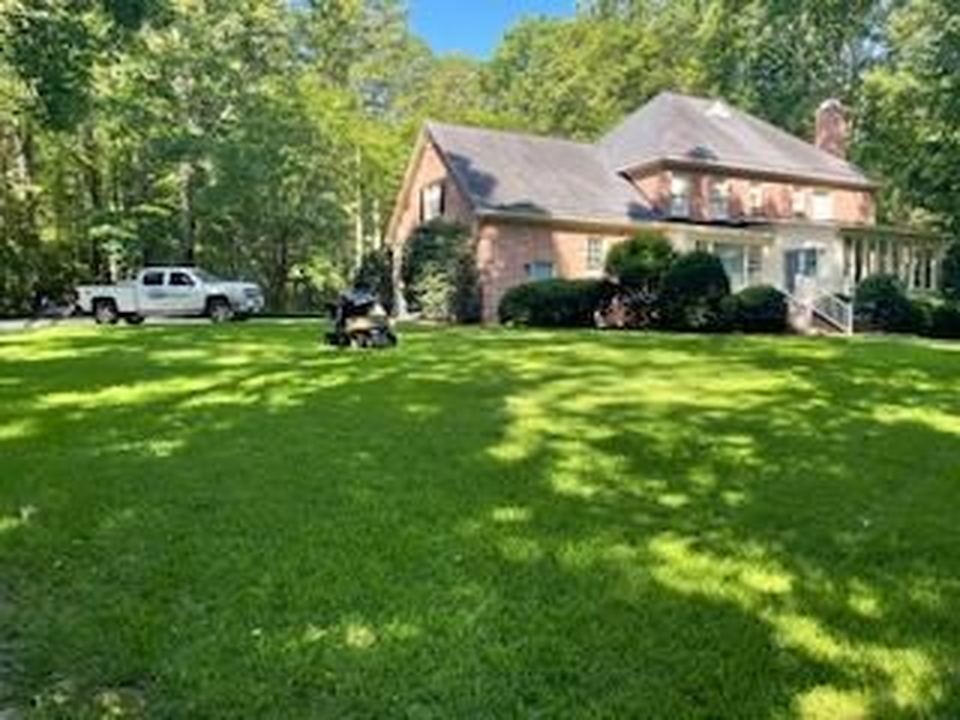
What a Lawn Treatment Program May Include
- Soil sampling or soil-condition review to identify pH and nutrient concerns when testing is appropriate.
- Pre-emergent weed control to help prevent selected weeds from establishing.
- Post-emergent weed control for weeds already growing in the lawn.
- Fertilization selected for the grass type, season and current condition.
- Micronutrient or soil-support treatments when the lawn would benefit from more than basic fertilizer.
- Fungus or disease-pressure evaluation when symptoms and conditions suggest a treatment may be needed.
Fertilizer Should Match the Lawn
Fertilizer labels show nitrogen, phosphorus and potassium as an N-P-K ratio. Nitrogen supports leaf growth and color, phosphorus supports roots and establishment, and potassium helps the plant manage stress. The correct amount depends on the grass species, soil and season.
Too much fertilizer can create weak growth, increase mowing and make certain problems worse. Too little may leave the lawn thin and unable to recover. We use the lawn's condition and available soil information to guide the recommendation.
Weed Control Is a Process, Not One Application
Pre-emergent products can help prevent selected weed seeds from developing, but timing and coverage matter. Post-emergent treatments target weeds that are already visible. Some weeds may need repeated attention, and a thin lawn can remain vulnerable until turf density and growing conditions improve.
Weed pressure is also influenced by mowing height, irrigation, bare soil and compaction. Addressing those conditions helps the treatment program produce a stronger long-term result.
What We Look at Before Recommending Treatment
Color alone does not identify a lawn problem. We consider how quickly symptoms appeared, whether damage follows irrigation patterns, whether the soil remains wet or dry, how the turf was mowed and whether insects or disease symptoms are present.
A lawn that is stressed by poor drainage or excessive watering may not improve with more fertilizer. A compacted lawn may benefit from core aeration, while poor surface soil may call for topdressing.
Support the Treatment Between Visits
- Water deeply enough to reach the root zone, then allow the surface to begin drying.
- Mow at a suitable height for the grass type and avoid removing too much at once.
- Use sharp mower blades to reduce tearing and ragged leaf tips.
- Report sudden discoloration, digging animals or insect activity before damage spreads.
- Keep leaves and heavy debris from blocking sunlight for extended periods.
Request a Lawn Treatment Evaluation
Tell us where the property is located, what type of grass you have if known and what changes you have noticed. NPK Lawn Care will help you choose a practical treatment plan for the lawn.
Helpful answers
Lawn Treatment FAQs
Answers about fertilization, weed control and customized lawn treatment programs.
How often does a lawn need treatment?
The schedule depends on grass type, soil conditions, weeds, weather and the services included. NPK recommends a program based on the property rather than one interval for every lawn.
Do lawn treatments eliminate every weed immediately?
No. Pre-emergent and post-emergent products work differently, some weeds need repeated treatment and thin turf may remain vulnerable until growing conditions improve.
Can fertilizer fix a brown lawn?
Not always. Brown grass may be caused by drought, overwatering, insects, disease, compaction, mowing damage or dormancy, so the cause should be evaluated first.
Does NPK provide lawn treatments near the coast?
Yes. NPK serves Myrtle Beach, Conway, Murrells Inlet and Pawleys Island as well as Lexington and Columbia.