
Lawn Pest Control Services
Home / Services / Lawn Pest ControlLawn Pest Control Based on the Damage Pattern
Lawn pest control should begin with identifying whether insects are actually causing the problem. Heat stress, irrigation gaps, fungus, herbicide injury and compacted soil can create damage that looks similar to insect activity.
NPK Lawn Care evaluates the location, shape and timing of the damage before recommending treatment. When insects are present, the product and timing should match the pest and its stage of development.
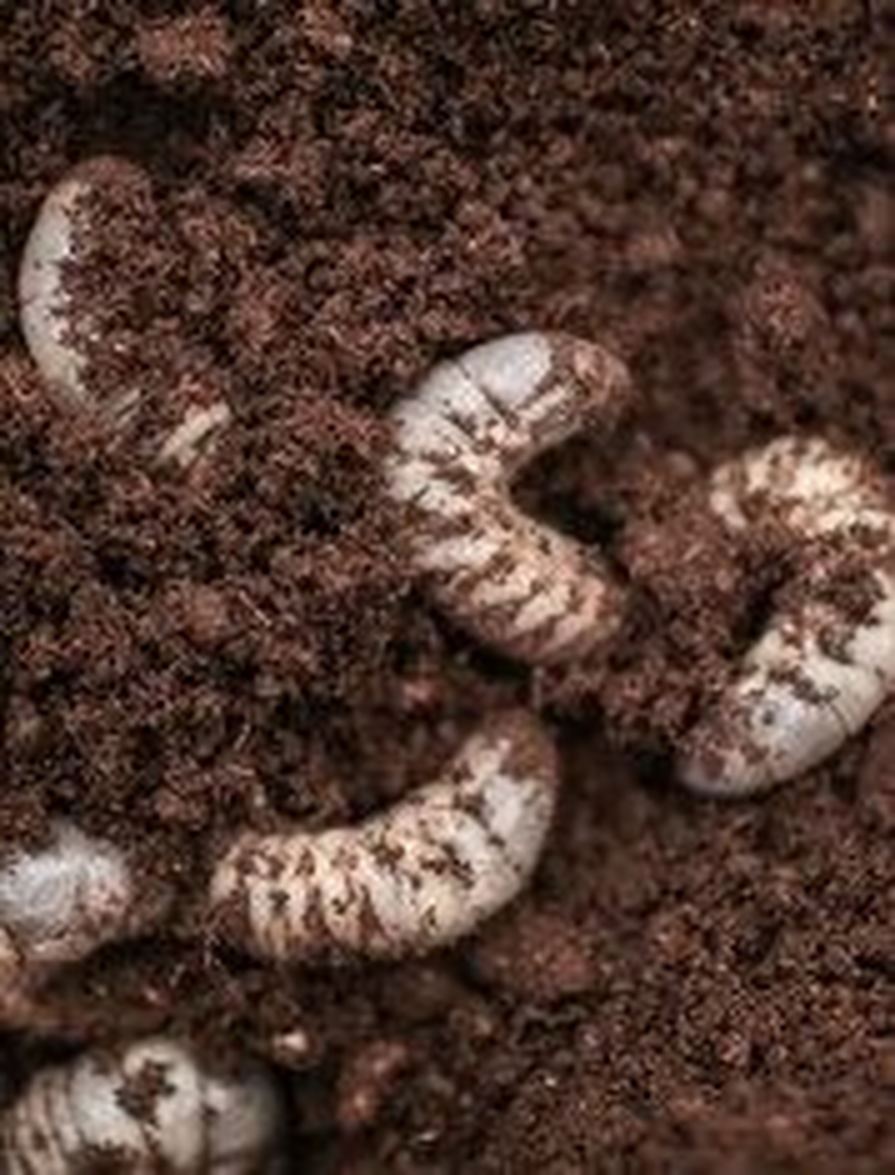
Signs That May Point to Lawn Insects
- Irregular patches that expand even when watering is adequate.
- Turf that pulls up easily because roots have been damaged.
- Birds or animals repeatedly feeding in the same sections.
- Chewed leaf blades, clipped stems or sudden thinning.
- Visible insects, larvae, tunnels or mounds.
- Damage that appears during the pest's typical active season.
Common South Carolina Lawn Pests
Warm-season turf can be affected by grubs, mole crickets, armyworms, sod webworms, fire ants and other insects. The pest pressure varies by region, weather and grass type. A treatment that works for one insect may not be appropriate for another.
Preventive treatment may be useful for certain pests and situations, while other problems are better handled after activity is confirmed. We avoid treating every discolored patch as an insect problem.
Why Fast Identification Matters
Some insects can damage a lawn quickly. Early reporting gives the turf a better chance to recover and may reduce the size of the area that needs attention. Take note of when the symptoms began, whether the damage changed after rain or irrigation and whether insects are visible at the soil surface.
After the pest is controlled, recovery may still require proper watering, mowing and lawn treatment support. Severely compacted areas may also benefit from core aeration once the grass is able to recover.
What to Do Before the Service Visit
- Avoid applying an unknown insecticide immediately before the inspection.
- Mark the damaged area if the symptoms are changing quickly.
- Share recent watering, fertilizer and herbicide applications.
- Mention any recent sod installation, construction or soil disturbance.
What Lawn Pest Control Cannot Fix
Insect treatment will not correct broken irrigation, standing water, chemical spills or mowing damage. If the inspection points to another cause, we will recommend addressing that condition instead of applying an unnecessary pest treatment.
Do Not Let Lawn Damage Spread
NPK provides lawn pest control in Lexington, Columbia, Myrtle Beach, Conway, Murrells Inlet and Pawleys Island. Contact us when damage appears suddenly or continues to expand.
Helpful answers
Lawn Pest Control FAQs
Learn how insect damage is identified and what to expect from treatment.
How can I tell whether insects are damaging my lawn?
Look for expanding irregular patches, turf that pulls up easily, chewed blades, visible insects or repeated animal feeding. An inspection is the best way to separate pest damage from watering or disease problems.
Does every brown patch need insect treatment?
No. Brown turf may be caused by drought, overwatering, fungus, chemicals, mowing or dormancy. Pest control should match evidence of insect activity.
How quickly can lawn insects cause damage?
Some pests can create noticeable damage within days, while others work more slowly. Report sudden or expanding symptoms as soon as possible.
Will the grass recover after pest control?
Recovery depends on the amount of damage, grass type, weather and aftercare. Watering, mowing and other lawn treatments may be needed after the pest is controlled.