

Published:
How Smarter Summer Mowing Helps Reduce Lawn Stress
Quick Answer: South Carolina summer heat can put warm-season turf under heavy stress, and mowing too low can make that stress worse. Keeping mower blades sharp, avoiding aggressive cuts, watching irrigation, and paying attention to changes in turf color or density can help a lawn hold up better through hot, dry stretches.
Summer mowing looks simple, but lawn conditions can change quickly when heat, humidity, heavy rain, and dry periods all occur within a short span. Mowing habits are only one part of the picture, but they can either support the turf or add unnecessary stress. A complete South Carolina lawn care program should also consider soil conditions, nutrients, weeds, pests, and seasonal weather.
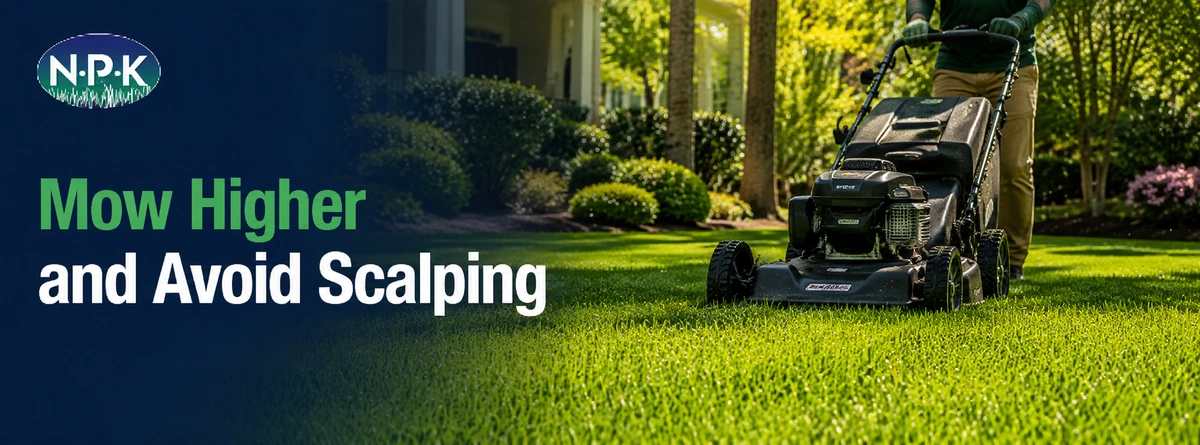
Avoid Cutting the Lawn Too Low During Hot Weather
One of the easiest mistakes to make in summer is mowing too aggressively. Cutting warm-season turf too low can leave the lawn looking weak and stressed, especially when the soil is already dry or temperatures remain high. Instead of trying to keep the lawn very short, focus on maintaining a consistent appearance without scalping thin or uneven areas.
The right approach also depends on grass variety, soil condition, irrigation, recent weather, and how actively the turf is growing. If color loss or thinning continues even after mowing practices improve, the problem may involve soil, nutrients, pests, moisture, or another source of stress.
Keep Mower Blades Sharp
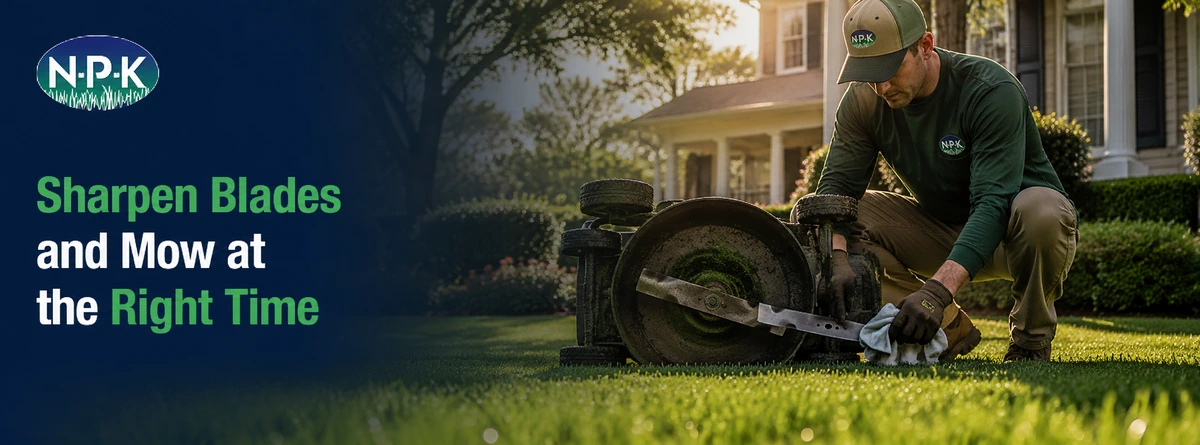
Dull mower blades can leave the grass looking ragged rather than cleanly cut. During summer, that rough appearance can make an already stressed lawn look worse and make it harder to judge whether the real problem is mowing, heat, irrigation, or something else. Keeping the mower blade sharp helps produce a cleaner, more even cut.
Consistent mowing quality also makes unusual discoloration, thinning, pest activity, or isolated weak areas easier to notice. That can help a homeowner recognize when the lawn may need more than a mowing adjustment.
Pay Attention to Irrigation and Soil Conditions
Mowing and watering should not be treated as separate issues. A lawn exposed to high heat may show stress if the soil stays too dry, while excessive moisture can create a different set of turf problems. Watch how the lawn responds after irrigation and rainfall instead of assuming every brown or thin area needs more water.
Compacted soil can make it harder for water, air, and nutrients to move where the turf needs them. When hard ground, poor absorption, or shallow rooting is part of the problem, professional core aeration may be worth discussing as part of a broader lawn-care plan.
Do Not Assume Every Summer Brown Spot Has the Same Cause
Brown or thinning grass during summer can have several possible causes. Heat stress, irrigation issues, mowing practices, compacted soil, nutrient problems, insect activity, and possible disease pressure can create similar symptoms. Adding more fertilizer, watering more often, or treating for insects without identifying the real issue can lead to poor results.
NPK Lawn Care, LLC focuses on customized lawn treatments based on turf condition, soil needs, season, and property goals. If damage looks more like insect activity than simple heat stress, professional lawn pest control may be part of the evaluation.
Common Summer Mowing Mistakes
- Mowing too low when the lawn is already stressed by heat or dry soil.
- Using a dull blade that leaves the turf looking ragged.
- Assuming brown grass automatically means the lawn needs more water or fertilizer.
- Ignoring compacted soil, pest activity, or other problems that may contribute to thinning turf.
Best Practices for a Healthier-Looking Summer Lawn
- Use consistent mowing habits instead of aggressive cuts during stressful weather.
- Keep mower blades sharp and inspect the lawn as you mow.
- Monitor irrigation, rainfall, and soil condition together.
- Watch for changes in turf color, density, weeds, or insect activity.
- Have persistent problems evaluated before choosing a treatment.
South Carolina Summer Conditions Can Change Fast
Lawns in Lexington, Columbia, and other South Carolina communities can move from heavy rain to intense heat and dry conditions quickly. Those swings can affect how turf responds to mowing, irrigation, and treatment. A practical summer routine is about reducing avoidable stress while watching for signs that the turf needs professional attention.
When Mowing Changes Are Not Enough
If the lawn continues to thin, discolor, or struggle despite better mowing and watering habits, identify what is actually happening before choosing a treatment. Soil condition, nutrient needs, pests, weeds, compaction, drainage, and seasonal stress can overlap. NPK Lawn Care can help evaluate those conditions and recommend a treatment plan that fits the property.
For help with a stressed South Carolina lawn, request a free lawn consultation or call NPK Lawn Care at 803-360-0605.
More South Carolina Lawn Care Resources
Use the seasonal lawn care calendar, compare South Carolina grass types or review our professional lawn care services.