
Published:
Quick Answer: A neglected lawn usually needs more than mowing and watering to recover. The best starting point is to evaluate the soil, identify weeds, assess compaction or pest pressure, and develop a treatment plan that supports healthier turf over time.
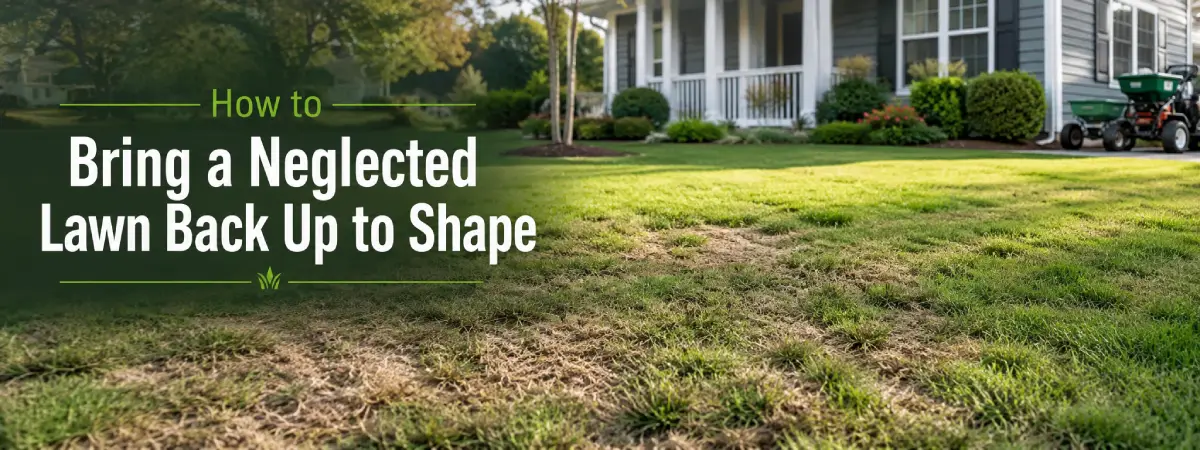
When a lawn has been ignored for a season or longer, the problems tend to stack up. Thin grass allows weeds to move in, compacted soil limits root growth, and poor nutrient balance can make the lawn look tired even after rain. In South Carolina, heat, humidity, heavy rainfall, and sandy or compacted soil can make recovery more challenging. That is why many homeowners start with lawn treatment services instead of guessing at the problem.
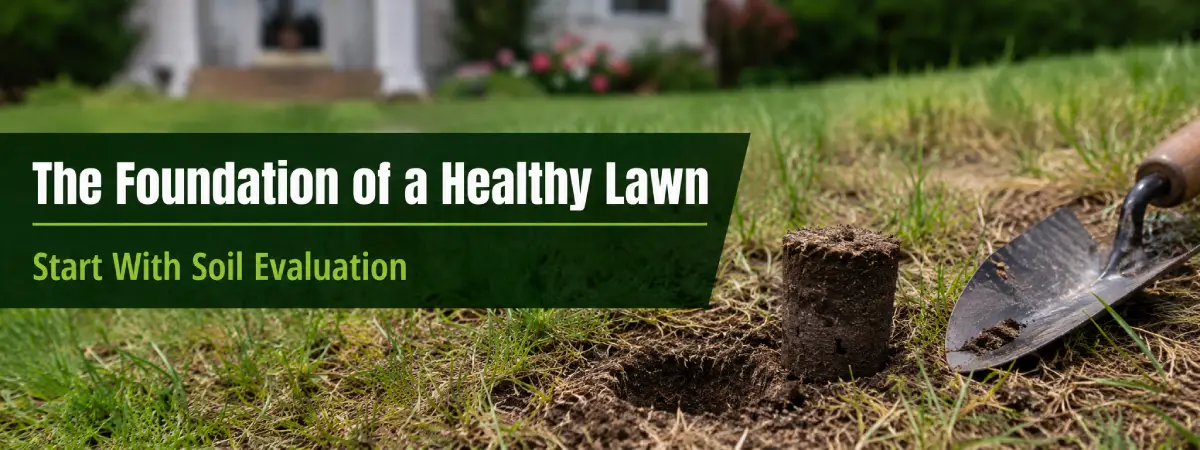
Start With the Soil, Not Just the Grass
A neglected lawn often looks like a grass problem, but the real issue may be below the surface. Soil that is low in key nutrients, compacted from foot traffic, or unable to hold moisture properly can keep turf from filling in. A soil-focused plan helps determine what the lawn actually needs before treatments begin.
Control Weeds Before They Take Over
Weeds compete with turf for water, sunlight, and nutrients. If the lawn has open areas, weeds can spread quickly during warm South Carolina growing seasons. Pre-emergent treatments can help prevent certain weeds before they appear, while post-emergent treatments may help manage weeds already growing. For lawns with heavy weed pressure, professional weed control and fertilization can help support a more practical recovery plan. Timing matters, and results depend on weed type, weather, soil condition, and lawn density.
Support the Roots So the Lawn Can Recover
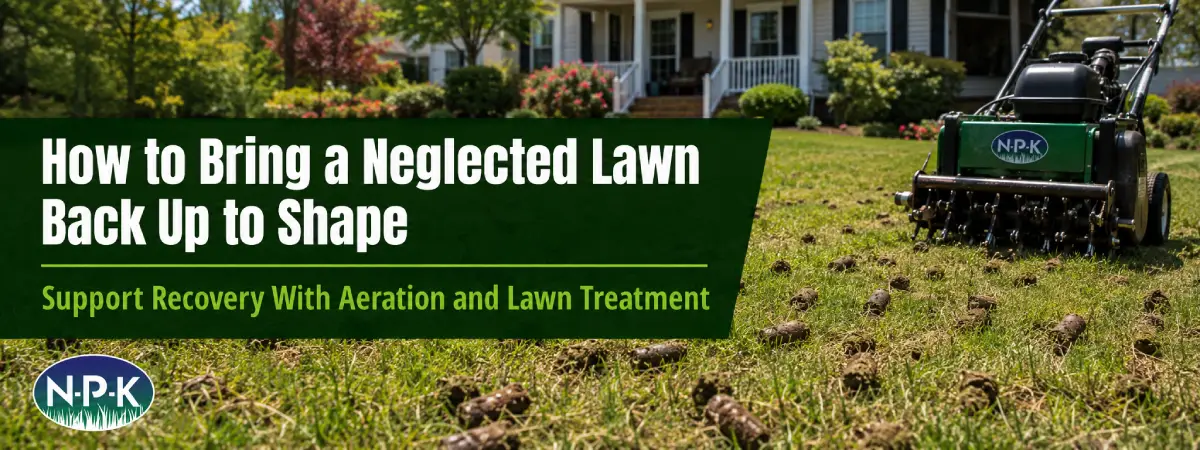
Healthy recovery relies on stronger roots. Fertilization can support better color and growth when it is based on the lawn’s actual needs. If soil is compacted, core aeration services can help improve air movement, water movement, and nutrient access in the root zone. A lawn with stronger roots is more likely to thicken over time.
Why This Matters
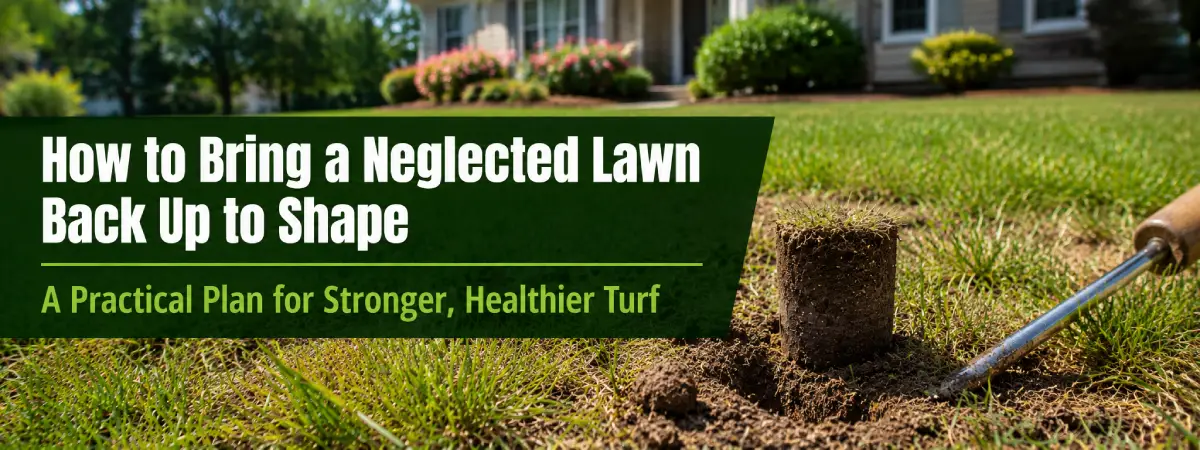
A neglected lawn does not usually bounce back from one quick fix. It needs a practical plan that addresses soil health, weed pressure, watering habits, mowing height, and seasonal stress. When these pieces work together, the lawn has a better foundation for steady improvement.
Common Mistakes
- Applying fertilizer without understanding soil conditions first.
- Cutting the grass too short and adding more stress to weak turf.
- Treating weeds once and expecting the lawn to stay clear all season.
Best Practices
- Begin with a lawn evaluation and soil analysis before choosing treatments.
- Use weed control, fertilization, and watering practices as part of one plan.
- Consider aeration or topdressing services when soil structure needs long-term support.
Local Relevance
Lawns in Lexington and Columbia often deal with summer heat, compacted soil, and weed pressure after heavy rain. Coastal areas such as Myrtle Beach, Conway, Murrells Inlet, and Pawleys Island may also deal with sandy soil, drainage changes, humidity, and salt exposure. A recovery plan should account for where the lawn is located, how the soil behaves, and how the turf responds through the season.
When to Contact a Professional
It is time to contact a professional when the lawn is thin, patchy, full of weeds, slow to green up, compacted, or declining, even with frequent watering and mowing. A professional lawn care plan can help identify whether the issue is related to soil, nutrients, weeds, lawn pest control, compaction, or seasonal stress.
Final Thoughts
Bringing a neglected lawn back up to shape takes patience, timing, and the right plan. NPK Lawn Care, LLC helps homeowners build practical treatment plans customized to soil conditions, turf needs, and local South Carolina growing conditions. To discuss your lawn, request a free consultation with the local team.
More South Carolina Lawn Care Resources
Use the seasonal lawn care calendar, compare South Carolina grass types or review our professional lawn care services.