
Published:
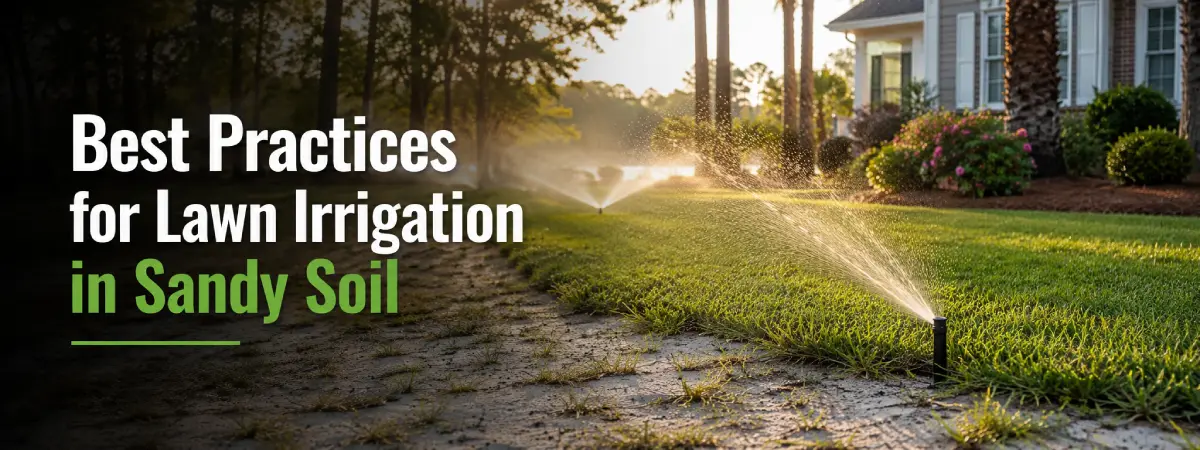
Quick Answer: Sandy soil usually needs watering that is consistent, measured, and timed carefully because it drains faster than heavier soils. The goal is to water deeply enough to support root growth without watering so often that nutrients move through the soil too quickly or shallow roots become the norm.
Sandy soil can be frustrating for homeowners because it often dries out faster than expected, especially during hot South Carolina weather. This is common in coastal areas such as Myrtle Beach, Conway, Murrells Inlet, and Pawleys Island, but lawns around Lexington and Columbia can also struggle when heat, thin soil, and uneven irrigation overlap. A good watering plan works best when it supports the turf, the soil, and the rest of the lawn care program together.
Why Sandy Soil Needs a Different Watering Approach
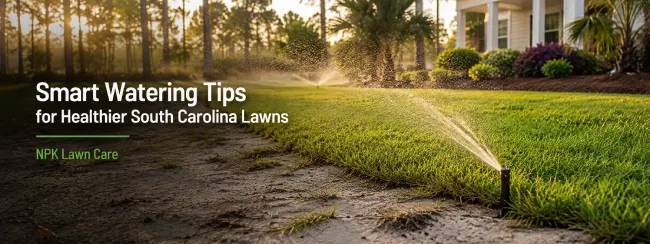
Sandy soil has larger particles than clay or loam, which means water moves through it more quickly. That can help with drainage, but it also means the root zone may not hold moisture as long. When watering is too light, grass roots may stay near the surface. When watering is too frequent, the lawn may look stressed anyway because the water is not staying where the roots need it.
Water Less Often, But Watch the Soil Closely
The best approach is not simply “more water.” Sandy lawns usually respond better to a thoughtful routine that gives the soil enough moisture without constantly keeping the surface wet. Watering early in the morning is often helpful because it reduces evaporation and gives the lawn time to dry during the day. If the lawn still looks stressed, the issue may involve soil condition, irrigation coverage, mowing height, pests, weeds, or nutrition.
Connect Irrigation to the Whole Lawn Program
Irrigation works best when it is paired with the right lawn care strategy. Fertilizer, weed control, soil condition, and turf health all affect how well the grass uses water. NPK Lawn Care offers custom lawn treatments that can help support healthier turf growth while taking local soil and seasonal conditions into account.
Why This Matters
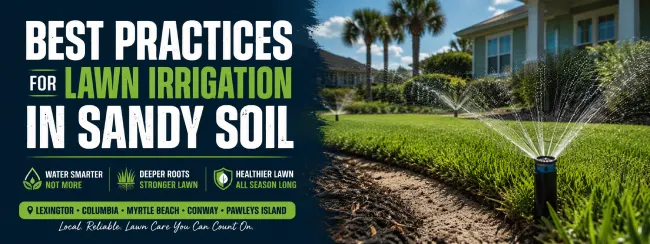
Watering sandy soil correctly matters because moisture moves quickly, and the lawn may show stress before the homeowner realizes the root zone is drying out. A better irrigation routine can support stronger roots, reduce wasted water, and help lawn treatments work with the soil instead of against it.
Common Mistakes
- Watering for only a few minutes at a time and encouraging shallow root growth.
- Running irrigation during the hottest part of the day when evaporation is higher.
- Assuming brown or thin areas are only a watering problem without checking soil, pests, weeds, or compaction.
Best Practices
- Water early in the morning when temperatures are cooler and wind is usually lower.
- Check whether sprinkler heads are covering the lawn evenly, especially near slopes, sidewalks, and sandy patches.
- Use soil condition, turf response, rainfall, and season as guides instead of relying on the same schedule all year.
Local Relevance
South Carolina lawns deal with heat, humidity, heavy rain, dry stretches, and fast weed growth. Coastal lawns may also face sandy soil and salt-air stress, while inland areas around Lexington and Columbia may see compacted spots, uneven drainage, or drought stress during summer. In some cases, topdressing services can help improve soil structure and support long-term lawn health.
When to Contact a Professional
If your lawn dries out quickly, develops thin areas, holds weeds, or responds unevenly to irrigation, it may be time for a professional evaluation. Sandy soil problems are often connected to more than watering alone. NPK Lawn Care can review lawn conditions, discuss soil needs, and recommend services such as fertilization, weed control, core aeration services, or a custom treatment plan when appropriate.
Final Thoughts
Sandy soil does not mean a lawn cannot look healthy, but it does mean watering needs to be handled with more care. A good irrigation routine, realistic expectations, and a custom lawn care plan can help support stronger turf through changing South Carolina conditions. To talk through your lawn’s needs, contact NPK Lawn Care and ask about a practical treatment plan for your property.
Frequently Asked Questions
How often should I water a lawn in sandy soil?
Sandy soil often dries faster than heavier soil, so the right schedule depends on turf type, rainfall, temperature, and how quickly the lawn shows stress. Early morning watering and regular soil observation are usually better than relying on one fixed schedule all year.
Why does my sandy lawn dry out so fast?
Sandy soil has larger particles, so water drains through it more quickly. That can make the root zone dry out faster, especially during hot South Carolina weather or windy coastal conditions.
Can too much irrigation hurt a sandy soil lawn?
Yes. Too much watering can encourage shallow roots, contribute to nutrient movement through the soil, and create conditions that may support certain lawn problems. The goal is balanced watering, not constant watering.
Does fertilization help lawns in sandy soil?
Professional fertilization can support healthier turf growth, but sandy soil may need a careful plan because nutrients can move through the soil more quickly. Soil conditions should guide the lawn care approach.
Should I get professional help for sandy soil lawn problems?
If watering changes are not improving the lawn, a professional review can help identify whether the issue involves soil condition, weeds, pests, compaction, irrigation coverage, or nutrition.
More South Carolina Lawn Care Resources
Use the seasonal lawn care calendar, compare South Carolina grass types or review our professional lawn care services.